Video 1
Video 2
Video 3
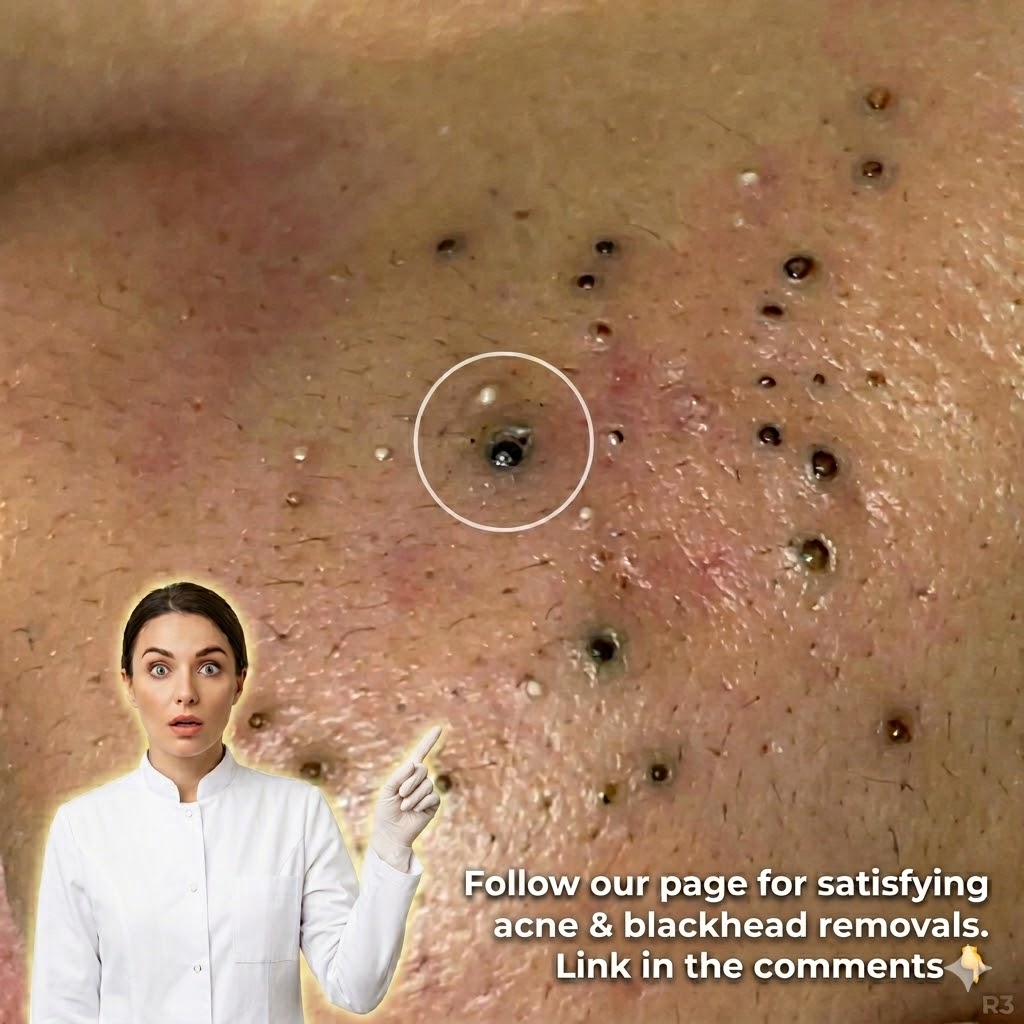
Pollution may contribute to clogged pores through its interaction with the skin’s surface, where microscopic particles, oxidants, and environmental debris can accumulate and interfere with normal follicular function. The skin naturally produces sebum to lubricate and protect the barrier, but when airborne pollutants such as particulate matter, heavy metals, and hydrocarbons settle onto the skin, they can mix with this oil and dead skin cells. This combination may increase the likelihood of follicular keratinization, a process in which dead cells do not shed efficiently and instead remain trapped inside the pore. Over time, this buildup can form microcomedones, which are the earliest stage of blackheads and whiteheads.
In urban or high-pollution environments, oxidative stress is considered a key contributing factor. Pollutants can generate free radicals on the skin, which may weaken the skin barrier and alter sebum composition. When sebum becomes more oxidized, it may thicken and become more prone to clogging pores. Oxidized lipids are also associated with the formation of blackheads, as exposure to air causes the characteristic dark appearance. Additionally, environmental pollutants may disrupt the balance of the skin microbiome, potentially encouraging the growth of acne-associated bacteria and contributing to low-grade inflammation within the pore.
Several external and individual factors can influence how strongly pollution affects the skin. People with oily skin types may be more susceptible because higher sebum production provides more material for pollutants to bind to. Inadequate cleansing, frequent exposure to traffic emissions, and the use of occlusive or pore-clogging skincare products may further increase the likelihood of congestion. Climate conditions such as heat and humidity can also intensify the interaction between sweat, oil, and pollutants, creating an environment where pores are more easily blocked.
Addressing pollution-related clogged pores often involves supporting the skin’s natural cleansing and renewal processes. Gentle but effective cleansing is commonly recommended to help remove accumulated debris without disrupting the skin barrier. Ingredients such as salicylic acid may help penetrate into the pore to dissolve excess oil and dead skin cells, making them useful for managing blackheads and comedonal acne. Retinoids are often used to normalize skin cell turnover and reduce the formation of new clogs over time. Antioxidants such as niacinamide, vitamin C, and green tea extract may help reduce oxidative stress and support barrier function, although their effects can vary depending on formulation and consistency of use. In some cases, dermatological treatments such as chemical peels or professional extractions may be considered for persistent congestion.
It is important to recognize that while pollution can contribute to clogged pores, it is usually one of several interacting factors rather than a sole cause of acne. Consistent skincare habits, appropriate product selection, and environmental awareness may help reduce its impact, but results are often gradual. Individuals with persistent or worsening acne may benefit from consulting a qualified dermatologist, who can provide personalized recommendations based on skin type and severity.