Video 1
Video 2
Video 3
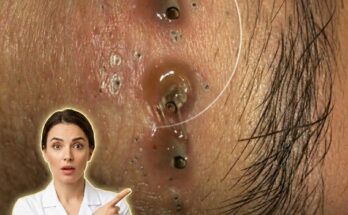
Stress influences multiple biological systems in the body, including those that regulate skin function and oil production. One of the primary pathways involved is the activation of the hypothalamic-pituitary-adrenal axis, which leads to the release of stress hormones such as cortisol. Elevated cortisol levels can stimulate sebaceous glands, increasing sebum production. This excess oil can mix with dead skin cells inside the pore, contributing to follicular congestion and the formation of comedones such as blackheads and whiteheads. Over time, this environment may also support the growth of acne-associated bacteria and promote inflammation, further worsening breakouts.
In addition to cortisol, stress may also influence other hormones, including androgens, which are known to play a key role in regulating sebum output. Increased androgen activity can enlarge sebaceous glands and accelerate oil production, making pores more prone to clogging. At the same time, stress can impair the skin barrier, reducing its ability to retain moisture and protect against external irritants. This disruption may trigger compensatory oil production, as the skin attempts to maintain hydration, further contributing to oily skin and acne development.
Lifestyle factors associated with stress can also indirectly affect skin oil production. Changes in sleep quality, diet, and skincare habits are common during periods of prolonged stress. Poor sleep has been linked to impaired skin repair and increased inflammation, while diets high in refined sugars or processed foods may influence hormonal balance and exacerbate acne. Additionally, inconsistent skincare routines or overuse of harsh products during stressful periods can damage the skin barrier, potentially leading to increased sebum production and irritation.
Managing stress-related oil production often involves a combination of skincare and lifestyle approaches. Topical ingredients such as niacinamide may help regulate sebum production and support the skin barrier, while salicylic acid is commonly used to penetrate pores and reduce congestion. Retinoids are often recommended to normalize skin cell turnover and prevent the formation of clogged pores, and benzoyl peroxide may help reduce acne-causing bacteria in inflammatory cases. Gentle cleansing and maintaining a balanced skincare routine are important to avoid further barrier disruption.
In more persistent or severe cases, dermatological treatments may be considered. These can include prescription-strength retinoids, hormonal therapies, or other targeted interventions depending on the individual’s skin type and acne severity. Stress management strategies, including improving sleep, regular physical activity, and relaxation techniques, may also support overall skin health by reducing the hormonal triggers that contribute to excess oil production.
While stress is not the sole cause of acne, it can be a significant contributing factor in individuals prone to oily skin and clogged pores. Results from treatment approaches can vary, and improvements often require consistent care over time. Individuals experiencing ongoing or severe acne are encouraged to consult a qualified healthcare professional for personalized evaluation and management.