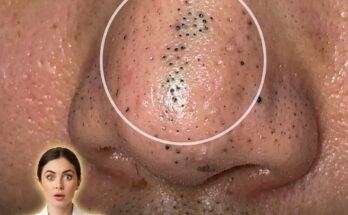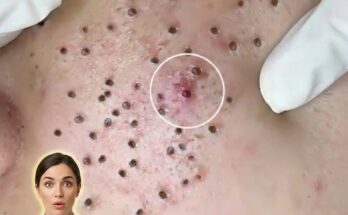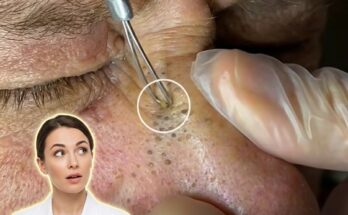
Dairy consumption has been studied for its potential role in acne development, particularly in relation to how it may influence hormonal signaling, sebum production, and inflammation within the skin. Acne begins at the level of the hair follicle, where excess sebum and abnormal shedding of skin cells lead to clogged pores, forming comedones such as blackheads and whiteheads. Certain dietary factors, including dairy, are thought to interact with endocrine pathways that regulate these processes, potentially contributing to breakouts in some individuals.
One of the primary mechanisms involves the effect of dairy on insulin and insulin-like growth factor-1 (IGF-1). Milk and dairy products can stimulate the release of insulin and increase circulating IGF-1 levels, both of which are associated with increased sebaceous gland activity. Elevated IGF-1 may promote keratinocyte proliferation and reduce normal cell turnover within the follicle, increasing the likelihood of pore blockage. In addition, dairy naturally contains bioactive molecules and trace hormones that may influence androgen activity, which is closely linked to oil production and acne severity.
The relationship between dairy and acne is not uniform across all individuals, suggesting that genetic predisposition, baseline hormone levels, and overall diet play important roles. Some people may notice that frequent consumption of milk, particularly skim milk, correlates with increased breakouts, while others experience no clear effect. The type of dairy product may also matter, as fermented options like yogurt may have a different metabolic impact compared to fluid milk, possibly due to differences in protein composition and probiotic content.
Environmental and lifestyle factors can further modify how dairy affects the skin. High glycemic diets, stress, inadequate skincare routines, and occlusive cosmetic products may amplify the underlying processes of inflammation and clogged pores. When combined with increased sebum production, these factors can create conditions that favor the development of inflammatory acne lesions.
From a management perspective, individuals who suspect a link between dairy intake and acne may consider a structured dietary trial, temporarily reducing or eliminating certain dairy products while monitoring skin changes over several weeks. At the same time, maintaining a consistent skincare routine remains essential. Ingredients such as salicylic acid can help exfoliate inside the pores and reduce comedone formation, while retinoids are often recommended to normalize cell turnover and prevent clogged pores. Benzoyl peroxide may help reduce acne-causing bacteria and inflammation, and niacinamide can support the skin barrier while moderating oil production.
For persistent or moderate to severe acne, professional dermatological care may be appropriate. Treatments may include prescription retinoids, hormonal therapies, or other targeted interventions depending on the individual’s skin type and underlying causes. Dietary factors like dairy should be considered as part of a broader, personalized approach rather than a sole cause or solution.
It is important to recognize that current research suggests an association rather than a direct cause-and-effect relationship between dairy and acne. Not everyone will experience breakouts related to dairy consumption, and overly restrictive diets may not be necessary or beneficial for all individuals. A balanced approach that considers overall nutrition, skin biology, and evidence-based treatments is generally recommended. Individuals with ongoing or severe acne are encouraged to consult a qualified healthcare professional to develop a safe and effective management plan.