Video 1
Video 2
Video 3
The balance between beneficial and harmful skin microbes plays a central role in the development and progression of acne, particularly within the environment of pores where sebum, dead skin cells, and microorganisms interact. The skin is home to a diverse microbiome composed of bacteria, fungi, and other microorganisms that coexist in a dynamic ecosystem. Among these, Cutibacterium acnes is one of the most studied species due to its strong association with acne. However, this bacterium is not inherently harmful. In balanced conditions, it contributes to maintaining skin health by helping regulate pH and preventing colonization by more pathogenic organisms. Problems tend to arise when shifts in the follicular environment, such as increased sebum production and abnormal keratinization, create conditions that favor the overgrowth of certain microbial strains that can trigger inflammation.
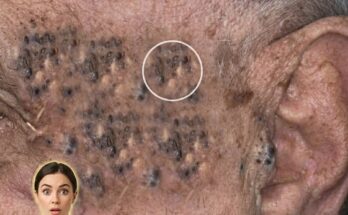
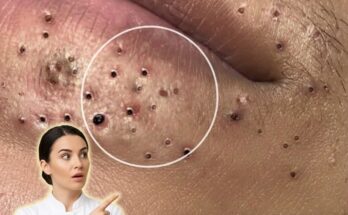
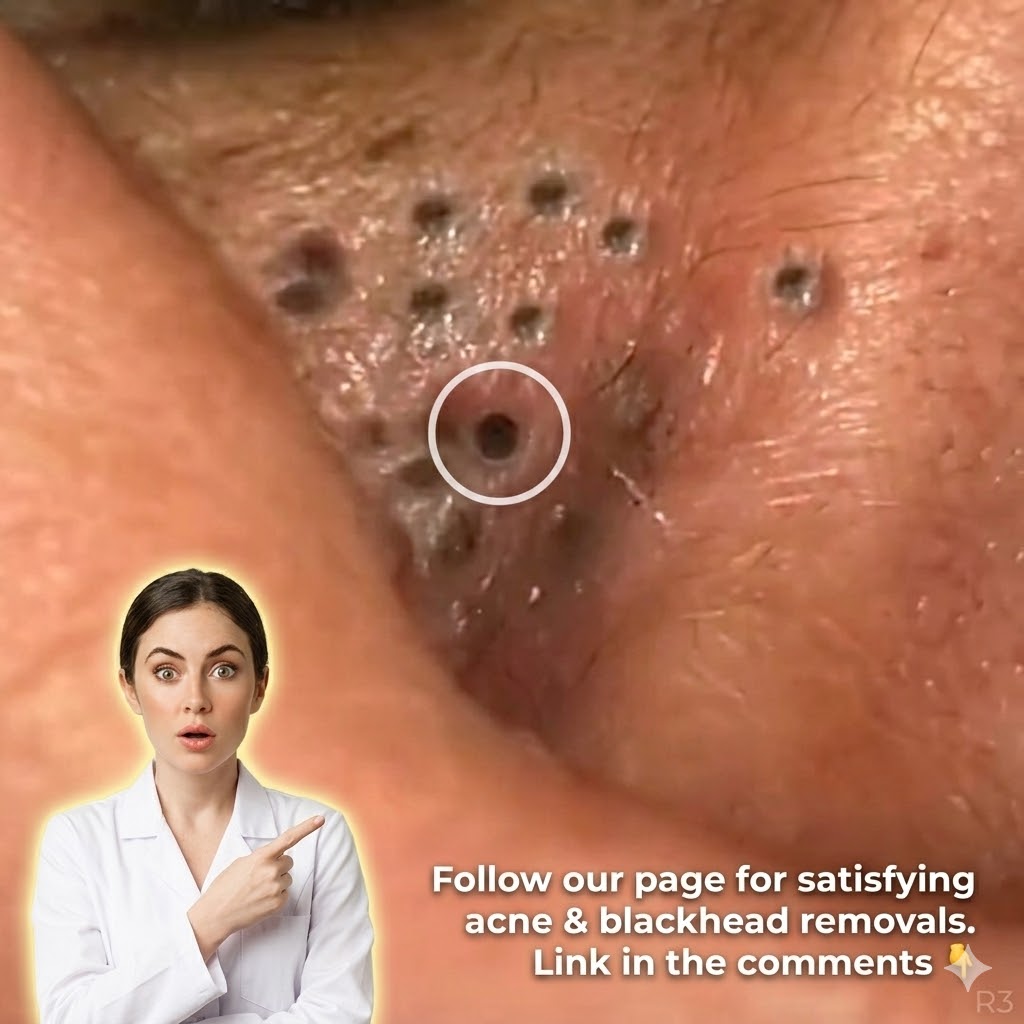
Sebum production, often influenced by hormonal fluctuations, provides a lipid-rich environment that supports microbial activity within pores. When excess oil combines with dead skin cells, it can lead to clogged pores and the formation of comedones such as blackheads and whiteheads. In this oxygen-limited environment, Cutibacterium acnes can proliferate and produce inflammatory byproducts. At the same time, a reduction in microbial diversity may weaken the skin’s natural defenses, allowing more inflammatory strains to dominate. External factors such as harsh skincare routines, over-cleansing, or the use of overly occlusive cosmetic products can further disrupt this balance, impairing the skin barrier and altering the microbiome in ways that may worsen acne.
Environmental influences, including humidity, pollution, and lifestyle habits, can also shape the composition of the skin microbiome. For example, frequent use of antibacterial products may reduce both harmful and beneficial microbes, potentially leading to imbalance rather than improvement. Similarly, genetic predisposition can influence how an individual’s immune system responds to microbial activity within the skin, affecting the severity of inflammation and acne lesions.
Treatment approaches for acne increasingly consider not only reducing harmful bacteria but also supporting a healthy microbial balance. Ingredients such as benzoyl peroxide are commonly used for their antibacterial properties and may help reduce populations of acne-associated bacteria, although they can also impact beneficial microbes. Salicylic acid, an oil-soluble exfoliant, helps clear clogged pores by dissolving excess sebum and dead skin cells, indirectly creating a less favorable environment for bacterial overgrowth. Retinoids are widely recommended for regulating cell turnover and preventing the formation of comedones, which can reduce the buildup that supports microbial imbalance.
In addition, ingredients like niacinamide may help support the skin barrier and reduce inflammation, contributing to a more stable environment for beneficial microbes. Gentle skincare practices, including the use of non-stripping cleansers and balanced moisturizers, are often recommended to maintain the integrity of the skin barrier and avoid unnecessary disruption of the microbiome. Emerging research is also exploring the role of prebiotics and probiotics in skincare, which may help promote a healthier microbial ecosystem, although this area continues to develop.
It is important to recognize that achieving a healthy balance of skin microbes is a gradual process rather than an immediate outcome. Overly aggressive treatments can sometimes worsen imbalance and irritation, particularly in sensitive or acne-prone skin. Consistency, appropriate product selection, and attention to skin tolerance are key factors in managing acne effectively. For individuals with persistent or severe acne, consultation with a qualified dermatology professional is often recommended to develop a treatment plan that addresses both microbial activity and the broader biological factors involved.