Video 1
Video 2
Video 3
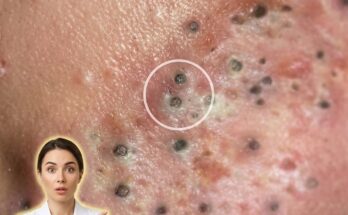
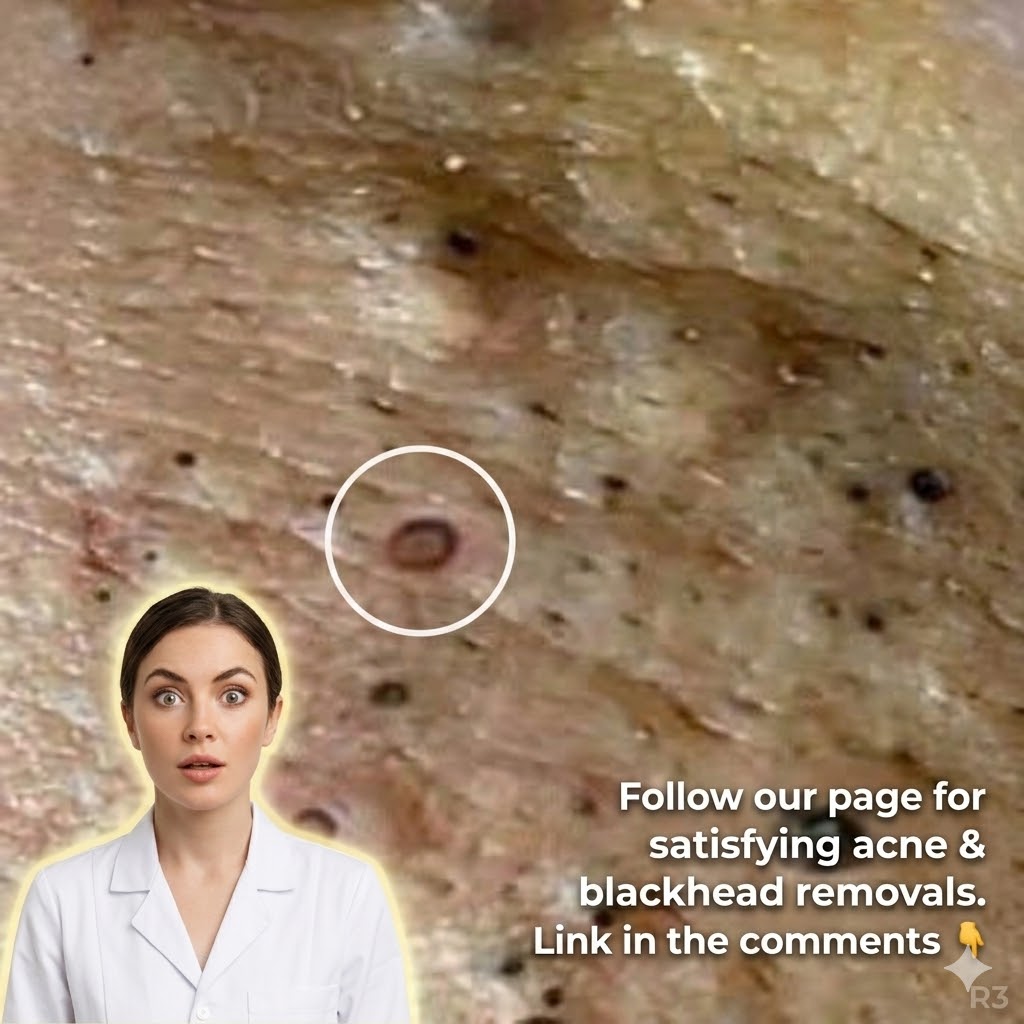
Sunscreen plays a central role in protecting the skin from ultraviolet radiation, yet its relationship with acne breakouts is often misunderstood. Acne develops through a combination of increased sebum production, abnormal follicular keratinization, and the accumulation of dead skin cells within pores, which can lead to comedones such as blackheads and whiteheads. When sunscreen interacts with this process, it can either support skin health or, in some cases, contribute to pore congestion depending on its formulation and how it is used.
One of the primary concerns is that certain sunscreen formulations may create an occlusive layer on the skin. While this layer is beneficial for preventing moisture loss and shielding against UV damage, heavier or poorly formulated products may trap sebum, sweat, and dead skin cells within the follicle. This environment can promote clogged pores, particularly in individuals with oily skin or those already prone to comedonal acne. Ingredients with a thicker texture or those not well-suited for acne-prone skin may increase the likelihood of breakouts if they are not properly removed at the end of the day.
However, sunscreen itself is not inherently comedogenic. Many modern formulations are specifically designed to be non-comedogenic and lightweight, often labeled as oil-free or suitable for acne-prone skin. Gel-based or fluid sunscreens tend to spread easily and are less likely to contribute to pore blockage compared to heavier creams. In addition, some sunscreens include ingredients such as niacinamide, which may help regulate oil production and support the skin barrier, indirectly benefiting acne-prone skin.
Environmental and behavioral factors also influence how sunscreen affects acne. In hot and humid climates, such as those commonly experienced in Southeast Asia, increased sweating combined with sunscreen use may create a film on the skin that can mix with oil and debris. Reapplication without cleansing can further build up residue, increasing the risk of congestion. Inadequate cleansing at the end of the day is another common factor, as residual sunscreen can remain within pores and contribute to the formation of comedones over time.
From a treatment perspective, maintaining proper cleansing is essential when using sunscreen regularly. Gentle cleansers that effectively remove sunscreen without disrupting the skin barrier are often recommended. Ingredients such as salicylic acid may help keep pores clear by dissolving oil and exfoliating within the follicle, while retinoids can support normal cell turnover and reduce the formation of clogged pores. Benzoyl peroxide may be used in inflammatory acne to reduce bacterial load, although it does not directly address sunscreen-related congestion.
It is also important to consider that avoiding sunscreen due to fear of breakouts can have unintended consequences. Ultraviolet exposure can worsen post-inflammatory hyperpigmentation and may impair the skin barrier, potentially exacerbating acne over time. Consistent use of an appropriate sunscreen is therefore considered a key part of a balanced skincare routine, even for those with acne-prone skin.
Realistic expectations are important when evaluating the relationship between sunscreen and acne. Not all breakouts are caused by sunscreen, and individual responses can vary based on skin type, product formulation, and overall skincare habits. Selecting a suitable product, applying it correctly, and ensuring thorough removal can significantly reduce the likelihood of issues. For persistent or severe acne, consultation with a qualified dermatology professional may help tailor a routine that balances sun protection with effective acne management.