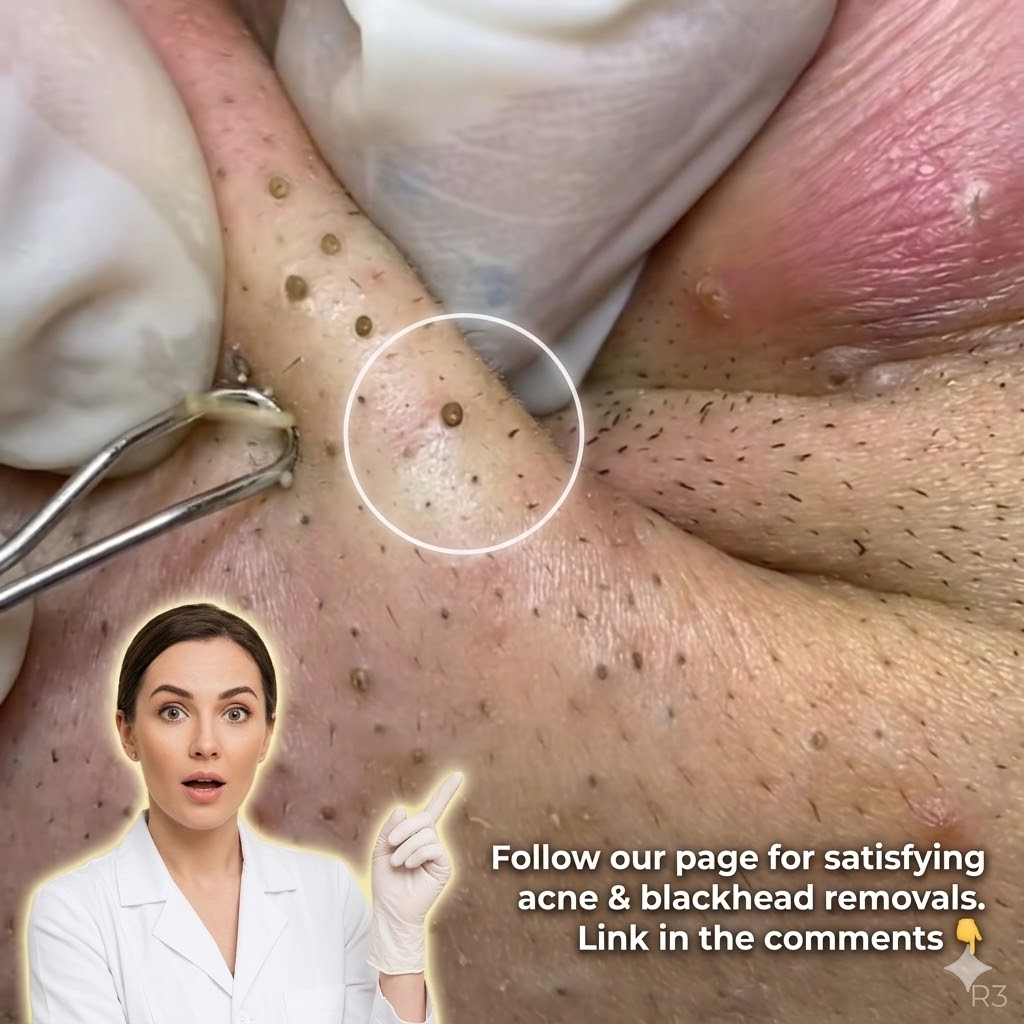
Video 1
Heavy skincare products can influence pore congestion through their interaction with the skin’s natural processes, particularly sebum production and follicular keratinization. The skin continuously produces sebum from sebaceous glands to maintain hydration and barrier integrity. At the same time, skin cells inside the pore lining shed and renew. When this shedding process becomes irregular, dead skin cells can accumulate and mix with sebum, forming a plug within the pore. This environment can lead to the formation of comedones, including blackheads and whiteheads. Heavier formulations, especially those with occlusive or dense textures, may sit on the surface of the skin and create conditions that make it easier for this mixture of oil and debris to become trapped within pores.
The texture and composition of a product play a significant role in how it behaves on acne-prone or oily skin. Ingredients such as certain waxes, butters, and oils are often included in rich creams to reduce water loss and support the skin barrier. While these ingredients can be beneficial for dry or compromised skin, they may contribute to congestion in individuals prone to clogged pores. This is not because these ingredients directly “block” pores in a literal sense, but rather because they can create a film on the skin that may interfere with الطبيعي exfoliation and sebum flow. When combined with excess oil production, hormonal influences, or environmental factors such as humidity, this can increase the likelihood of pore blockage.
Hormonal activity is another key factor that interacts with product choice. Androgens can stimulate sebaceous glands to produce more oil, which increases the baseline risk of clogged pores. When heavier skincare products are layered onto already oil-rich skin, the balance between oil production and cell turnover may be disrupted further. In addition, individuals with naturally larger pores or a history of comedonal acne may be more sensitive to product textures, as their pores are more prone to retaining debris. Climate can also play a role, as hot and humid environments may amplify the occlusive effect of heavier formulations on the skin’s surface.
From a skincare perspective, managing this risk often involves selecting formulations that align with the skin’s needs. Products labeled as non-comedogenic are typically designed to minimize the likelihood of pore congestion, although individual responses can still vary. Ingredients such as salicylic acid are commonly used because they are oil-soluble and can penetrate into pores to help dissolve excess sebum and debris. Retinoids are also frequently recommended, as they support more regular skin cell turnover and may reduce the formation of comedones over time. Niacinamide can help regulate oil production and support the skin barrier, making it a useful addition for those balancing acne concerns with sensitivity.
It is also important to consider application habits. Using excessive amounts of product or layering multiple heavy formulations may increase the risk of buildup on the skin. Gentle cleansing plays a role in removing residual product, excess oil, and environmental impurities without disrupting the barrier. Over-cleansing or using harsh products, however, can lead to irritation, which may worsen acne by triggering inflammation and increased oil production.
In clinical settings, dermatologists may recommend treatments such as topical retinoids, chemical exfoliants, or, in more persistent cases, prescription therapies to address clogged pores and acne. These approaches are typically tailored to the individual’s skin type, acne severity, and tolerance. It is important to approach treatment gradually, as overly aggressive routines can compromise the skin barrier and lead to increased sensitivity.
Overall, heavy skincare products are not inherently harmful, but their suitability depends on individual skin characteristics and environmental context. For acne-prone or oily skin, lighter formulations are often preferred to reduce the likelihood of pore congestion. Results can vary, and improvements in clogged pores and acne typically require consistent care over time. Consulting a qualified skincare professional may help guide appropriate product selection and treatment strategies, particularly for persistent or severe concerns.