Video 1
Video 2
Video 3
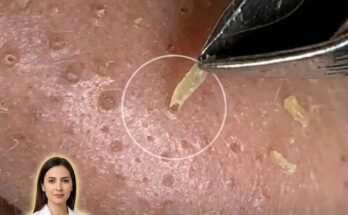
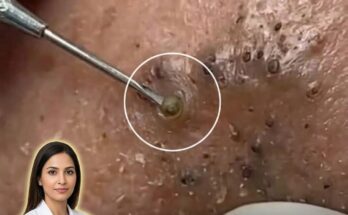
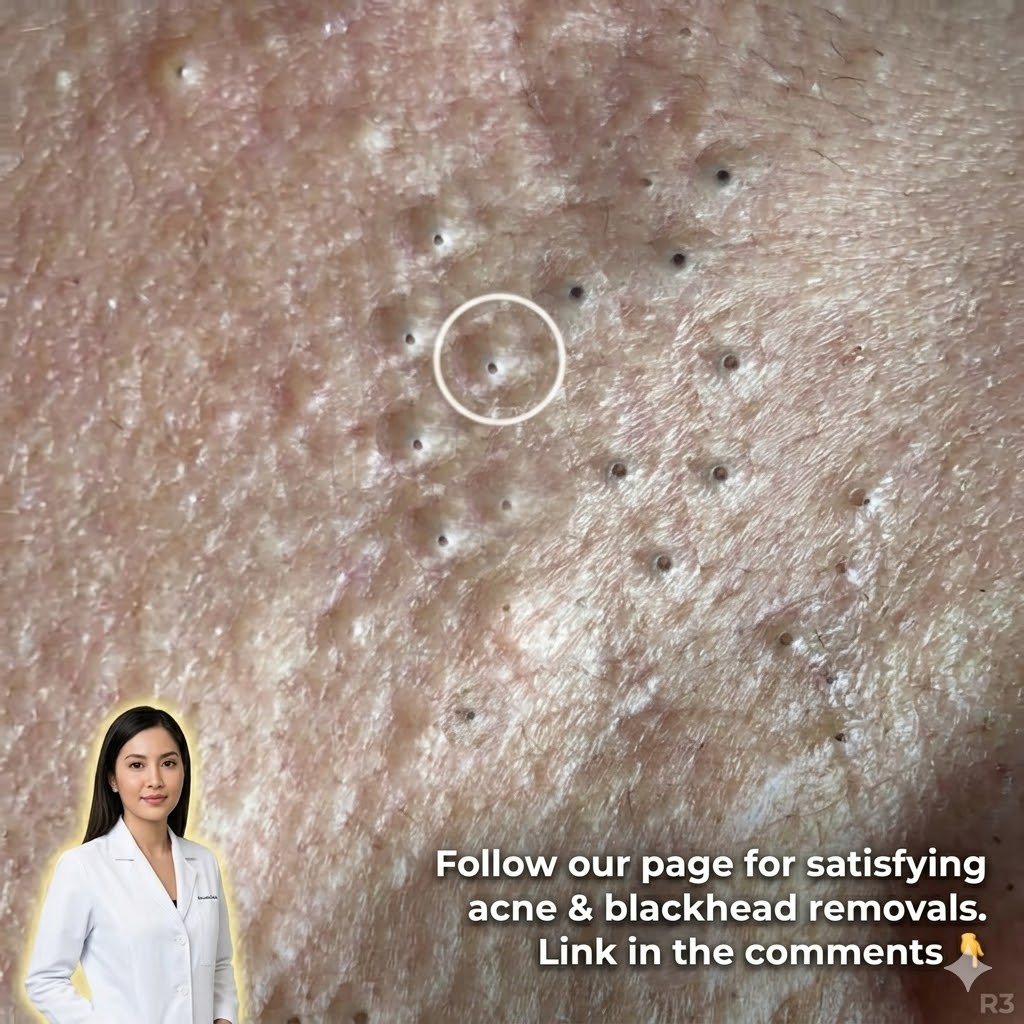
Azelaic acid is a naturally occurring dicarboxylic acid that plays a supportive role in managing several biological processes involved in acne development. Breakouts often begin when excess sebum production combines with abnormal shedding of skin cells inside the hair follicle. This process, known as follicular keratinization, can lead to clogged pores and the formation of comedones such as blackheads and whiteheads. As pores become obstructed, the follicular environment can support the growth of acne-associated bacteria, which may contribute to inflammation and visible lesions. Azelaic acid is commonly used in dermatology because it may help normalize keratinization, reduce microbial activity within pores, and calm inflammatory pathways that contribute to acne progression.
One of the distinguishing characteristics of azelaic acid is its ability to influence several stages of acne development simultaneously. By helping regulate the buildup of keratin within the follicle, this ingredient may assist in keeping pores clearer and reducing the formation of comedonal acne. In addition, azelaic acid has been shown to have antibacterial activity against microorganisms associated with acne-prone skin. While it does not function exactly like benzoyl peroxide, which directly targets acne-causing bacteria through oxidative mechanisms, azelaic acid may help reduce bacterial proliferation in a way that supports a more balanced skin environment.
Sebum production also plays a significant role in the development of breakouts. Oil-rich areas of the face such as the forehead, nose, and chin contain a higher density of sebaceous glands, which explains why acne often appears more frequently in these regions. Hormonal fluctuations, particularly increases in androgen activity, can stimulate sebaceous glands and increase oil output. When excess oil combines with dead skin cells, pores may become congested more easily. Azelaic acid may help reduce some of the inflammatory signaling associated with these clogged follicles, making it a useful ingredient for individuals with oily skin or persistent comedones.
Another important factor in acne biology is inflammation. As pores become clogged and bacteria multiply, the immune system may respond with localized inflammation. This process contributes to redness, swelling, and the formation of papules or pustules. Azelaic acid is often recommended because it possesses anti-inflammatory properties that may help calm irritated skin and reduce visible redness associated with breakouts. This characteristic makes it particularly useful for individuals who experience both acne lesions and post-inflammatory discoloration.
Azelaic acid may also influence skin tone irregularities that sometimes follow acne. After inflammatory lesions heal, some individuals develop areas of hyperpigmentation due to increased melanin production in response to inflammation. Azelaic acid has been studied for its ability to gently inhibit tyrosinase, an enzyme involved in melanin synthesis. By moderating this process, the ingredient may help improve the appearance of uneven pigmentation over time while continuing to support acne management.
In everyday skincare routines, azelaic acid is commonly used in topical formulations ranging from over-the-counter products to prescription-strength treatments. Lower concentrations are often incorporated into creams or gels designed for daily use, while dermatologists may prescribe higher concentrations for individuals with more persistent acne or rosacea-related redness. It is frequently used alongside other acne-focused ingredients such as retinoids, salicylic acid, or niacinamide, which target different mechanisms involved in clogged pores and inflammation. Combining ingredients that address multiple aspects of acne biology is a common dermatology strategy for improving overall treatment outcomes.
Skin barrier function is another important consideration when treating acne-prone skin. Aggressive treatments or excessive exfoliation can disrupt the barrier, leading to dryness, irritation, and increased sensitivity. Compared with some stronger acne medications, azelaic acid is often considered relatively gentle, which allows it to be integrated into long-term skincare routines. Maintaining a healthy skin barrier supports balanced oil production and may reduce the likelihood of irritation that can worsen breakouts.
Environmental factors and personal skincare habits can also influence how well azelaic acid performs in an acne management routine. Consistent cleansing helps remove excess oil and debris that contribute to pore congestion, while non-comedogenic moisturizers can support barrier repair. Sun protection is also important, particularly for individuals managing post-inflammatory pigmentation or redness. Ultraviolet exposure may worsen discoloration and prolong visible marks after acne lesions heal.
While azelaic acid can be a helpful component of acne-focused skincare, realistic expectations are important. Improvements in clogged pores, inflammation, and skin tone typically occur gradually as the skin’s renewal cycle progresses. Consistent use over several weeks or months may be necessary before noticeable changes appear. Individuals experiencing severe or persistent acne may benefit from consulting a dermatologist who can evaluate underlying factors and recommend a personalized treatment plan.
Overall, azelaic acid remains a widely used ingredient in evidence-based dermatology because it addresses several biological contributors to acne at once. By supporting normal keratinization, reducing bacterial activity, calming inflammation, and assisting with post-acne discoloration, it may help improve the overall appearance of breakout-prone skin when incorporated into a balanced skincare routine. Educational resources and clinical discussions about acne management often highlight ingredients like azelaic acid as part of a broader strategy that targets oil production, clogged pores, and inflammatory pathways involved in acne formation.