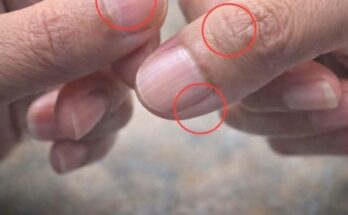
Plantar warts are caused by infection with the human papillomavirus, which enters through tiny breaks in the skin and triggers excess keratin production within the epidermis. This leads to thickened, rough lesions that may grow inward due to pressure from walking. Skin tags, in contrast, are benign overgrowths of skin composed of collagen and blood vessels, often forming in areas of friction such as the neck, underarms, or groin. These are structural growths rather than infections, which means they do not respond to antimicrobial or exfoliating approaches in the same way acne or clogged pores might.
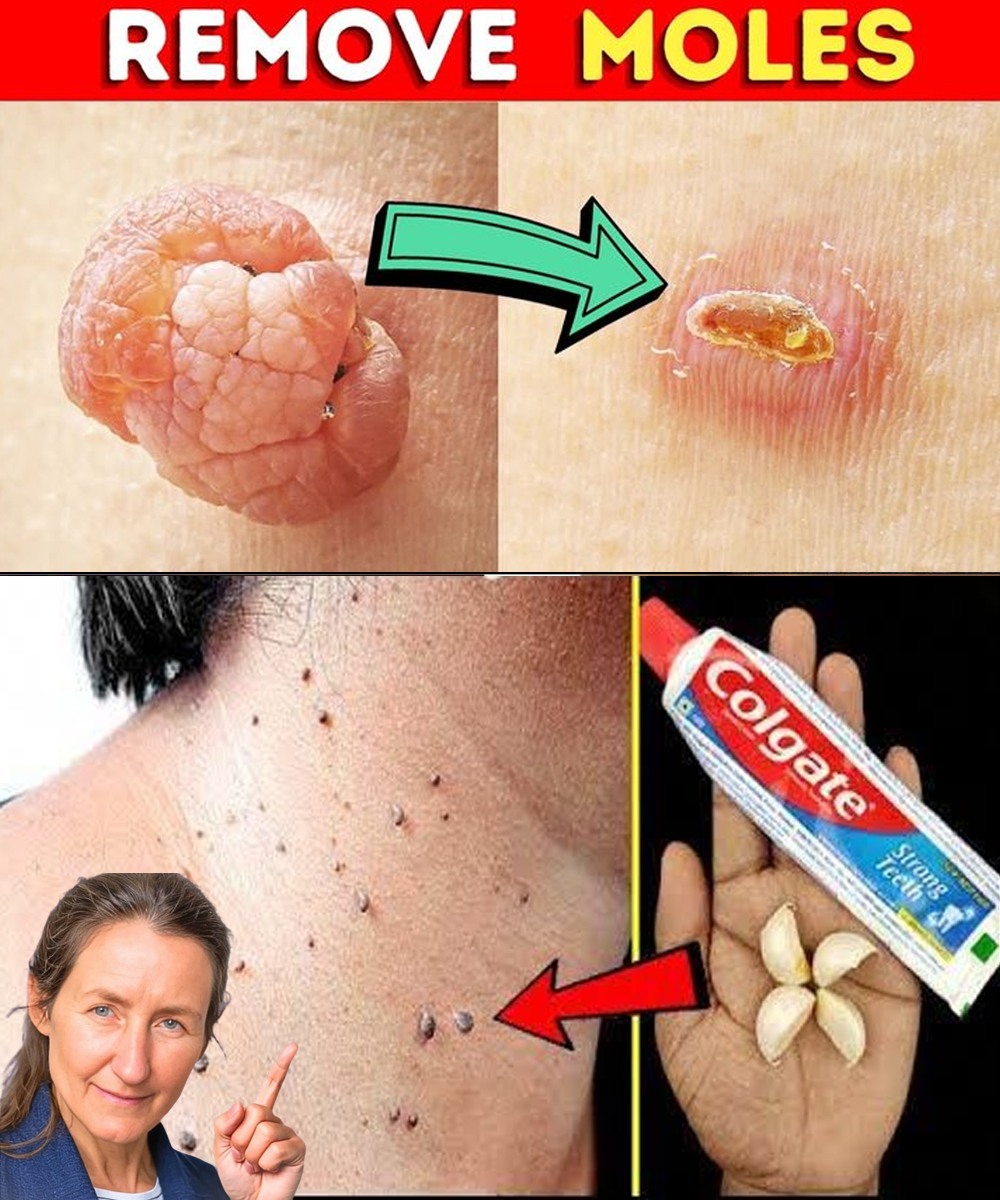
Garlic is often suggested because it contains sulfur compounds like allicin, which can irritate or damage the skin. While this irritation may create the appearance of peeling or shrinking, it is essentially a mild chemical injury rather than a controlled treatment. The same applies to mixtures involving toothpaste or other household substances. These methods can disrupt the skin barrier, leading to redness, blistering, or even secondary infection, without reliably removing the underlying wart virus or the full structure of a skin tag.
For plantar warts, evidence-based treatments aim to gradually break down the thickened keratin and support immune clearance of the virus. Ingredients such as salicylic acid are commonly used because they help dissolve the buildup of dead skin cells, allowing the wart to slowly reduce in size over time. Cryotherapy, performed in clinical settings, freezes the wart tissue in a controlled manner, which may stimulate the immune system and promote resolution. Skin tags, on the other hand, are typically removed through simple procedures such as snipping, cauterization, or cryotherapy by trained professionals.
It is also important to recognize that “overnight results” are not biologically realistic for these conditions. Warts often persist for weeks to months, and even effective treatments require repeated applications. Skin tags may be removed quickly in a medical setting, but not safely through uncontrolled at-home methods. Attempts to force rapid removal can increase the risk of bleeding, scarring, and pigmentation changes.
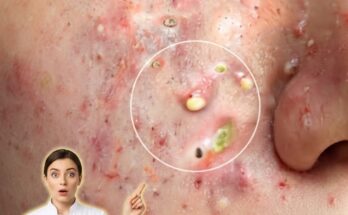
In the broader context of skincare education, distinguishing between infectious lesions, benign growths, and conditions like acne is essential. Treatments that are effective for oil control, clogged pores, or inflammation do not translate to viral warts or fibrous skin tags. Each condition requires a targeted, evidence-informed approach.
If a lesion is painful, spreading, changing in appearance, or uncertain in diagnosis, evaluation by a qualified healthcare professional is recommended. This helps ensure appropriate treatment while reducing the risk of complications from ineffective or unsafe remedies.