Video 1
Video 2
Video 3
Video 4
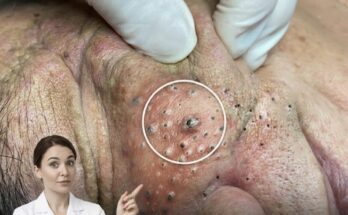
Lifestyle habits play a significant role in the development and persistence of acne by influencing core biological processes such as sebum production, follicular keratinization, and inflammation within the skin. Acne begins when excess sebum combines with dead skin cells inside the pore, forming a blockage known as a comedone. This environment can support the growth of acne-associated bacteria and trigger inflammation. Daily behaviors such as sleep quality, stress levels, diet, and skincare consistency can subtly alter these processes, either promoting balance in the skin or contributing to conditions that favor clogged pores and breakouts.
Hormonal fluctuations are one of the primary internal drivers affected by lifestyle. Chronic stress, for example, may increase cortisol levels, which can stimulate sebaceous glands to produce more oil. This excess oil can mix with keratinized cells, increasing the likelihood of blackheads and whiteheads. Sleep deprivation may further disrupt hormonal balance and impair skin repair mechanisms, reducing the skin’s ability to recover from inflammation. Diet is another commonly discussed factor, with some evidence suggesting that high glycemic index foods and excessive dairy intake may contribute to increased sebum production and inflammatory signaling in certain individuals. While these associations are not universal, they highlight how systemic factors can influence acne-prone skin.
Daily habits related to skincare and hygiene also interact closely with acne development. Overwashing the face or using harsh cleansers can damage the skin barrier, leading to increased sensitivity and compensatory oil production. On the other hand, inconsistent cleansing, especially after sweating or exposure to pollution, may allow debris and excess oil to accumulate within pores. Frequent touching of the face, use of occlusive or comedogenic products, and not removing makeup properly can all contribute to pore congestion. Environmental factors such as humidity, heat, and air pollution may further exacerbate these effects by increasing sweat, oil production, and oxidative stress on the skin.
Addressing acne from a lifestyle perspective often involves supporting the skin’s natural balance rather than relying solely on strong treatments. Gentle cleansing with non-stripping formulations can help maintain barrier integrity while removing excess oil and debris. Ingredients such as salicylic acid are commonly used to penetrate pores and assist in breaking down clogged material, while benzoyl peroxide may help reduce acne-causing bacteria. Retinoids are often recommended for their ability to normalize keratinization and prevent the formation of comedones over time. Niacinamide may support barrier function and help regulate oil production, making it a useful addition for individuals with oily or acne-prone skin.
Lifestyle adjustments can complement these treatments by reducing underlying triggers. Managing stress through consistent routines, improving sleep quality, and maintaining a balanced diet may help stabilize hormonal fluctuations that influence acne. Regularly washing pillowcases, avoiding heavy or pore-clogging products, and keeping hands away from the face can also reduce external contributors to breakouts. These changes are typically gradual in effect but can support long-term skin stability when combined with appropriate skincare.
It is important to recognize that acne is a multifactorial condition, and lifestyle changes alone may not fully resolve it, especially in moderate to severe cases. Improvements often take time, as the skin cycle and underlying biological processes adjust slowly. Overly aggressive approaches or frequent switching of products may disrupt progress and increase irritation. For persistent or severe acne, consulting a qualified dermatologist is often recommended to explore targeted treatments, including prescription medications or procedural options. A balanced approach that combines consistent habits, evidence-based skincare, and realistic expectations tends to offer the most sustainable results.